How to Choose the Right Metal Roofing Fasteners for Durability

When it comes to installing a metal roof, one of the most overlooked yet critical components is the fastener. Metal roofing fasteners are responsible for holding the entire roofing system together, ensuring stability, safety, and long-term performance. Choosing the right fasteners for metal roofing not only enhances durability but also protects your structure from leaks, corrosion, and environmental damage.
In this comprehensive guide, we will explore everything you need to know about selecting the best fasteners for your flat roofing project.
Why Metal Roofing Fasteners Matter
A metal roof is only as strong as the fasteners that secure it. Poor-quality or incorrectly selected fasteners can lead to:
Roof leaks and water damage
Panel loosening due to wind uplift
Corrosion and rusting
Reduced lifespan of the roofing system
Using high-quality Fasteners for Metal Roofing EJOT or similar trusted solutions ensures that your roof remains strong and reliable for years.
Understanding Different Fastener Materials
Selecting the right material is the first step in choosing durable metal roofing fasteners.
1. Galvanized Steel Fasteners
These fasteners are coated with zinc, providing protection against rust and corrosion. They are suitable for general construction projects but may not perform well in highly humid or coastal regions.
2. Stainless Steel Fasteners
Stainless steel fasteners offer superior corrosion resistance, making them ideal for coastal, industrial, and high-moisture environments. Though slightly more expensive, they provide long-term value and durability.
3. Aluminum Fasteners
Aluminum fasteners are lightweight and resistant to corrosion, especially in alkaline conditions. However, they are not as strong as steel and are best suited for light-duty applications.
4. Copper Fasteners
Copper fasteners are highly durable and corrosion-resistant. They are mainly used with copper roofing systems for compatibility and aesthetic appeal, although they are more costly.
Types of Fasteners for Metal Roofing
Understanding the different types of fasteners for metal roofing helps in selecting the right option for your project.
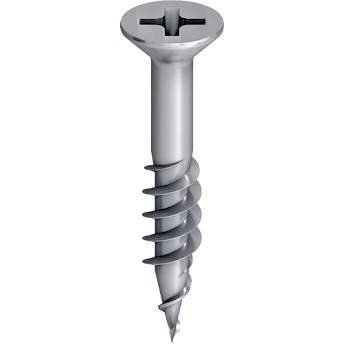
Screws: Screws are the most popular choice due to their strong holding power. Self-drilling screws are especially useful as they eliminate the need for pre-drilling, saving time and effort.
Nails: Nails are less commonly used in metal roofing because they provide lower holding strength. They may be used in non-structural areas such as trims or flashing.
Rivets: Rivets create permanent and secure joints. They are commonly used in metal-to-metal applications where strong bonding is required.

Choosing the Right Size and Length
The size and length of metal roofing fasteners are crucial for proper installation and performance.
Fasteners should penetrate at least 1 inch into the support structure
The diameter should provide adequate strength without damaging panels
Correct sizing prevents loosening, leakage, and structural issues
Choosing the wrong size can compromise the entire roofing system.
Importance of Coatings and Finishes
Modern metal roofing fasteners come with advanced coatings that enhance durability. These include:
Zinc coatings for rust resistance
Ceramic or polymer coatings for extra protection
Weather-resistant finishes for harsh environments
Coated fasteners are essential for long-lasting performance, especially in extreme weather conditions.
Environmental Factors to Consider
The environment plays a major role in selecting fasteners for metal roofing.
Coastal Areas
High salt content in the air can cause rapid corrosion. Stainless steel fasteners are the best choice in such conditions.
High Wind Zones
Areas prone to storms or strong winds require high-strength fasteners with excellent holding power to prevent uplift.
Industrial Locations
Chemical exposure in industrial areas can damage standard fasteners. Specially coated or stainless steel fasteners are recommended.
Temperature Variations
Extreme temperature changes can cause expansion and contraction of metal panels. Flexible and durable fasteners help maintain structural integrity.
Compatibility with Metal Panels
One of the most important factors is ensuring compatibility between the fastener and the roofing material.
Using incompatible metals can lead to galvanic corrosion, which weakens both the fastener and the panel. For example:
Avoid using copper fasteners with aluminum panels
Match fastener material with roofing material whenever possible
This simple step can significantly increase the lifespan of your roof.
Aesthetic and Design Considerations
While performance is crucial, aesthetics also matter. Many metal roofing fasteners are available in color-coated options that match roofing panels. This provides:
A clean and professional finish
Improved visual appeal
Seamless integration with the roof design
Proper Installation Practices
Even the best Fasteners for Metal Roofing EJOT will fail if not installed correctly. Follow these best practices:
Install fasteners perpendicular to the surface
Avoid over-tightening to prevent panel damage
Ensure proper sealing to avoid leaks
Use recommended tools and torque settings
Professional installation ensures maximum performance and durability.
Benefits of Choosing High-Quality Fasteners
Investing in premium metal roofing fasteners offers several advantages:
Long-lasting durability
Reduced maintenance costs
Better resistance to weather and corrosion
Improved structural stability
Enhanced safety and performance
High-quality fasteners are a small investment that delivers long-term value.
Expert Tips for Selecting the Best Fasteners
Always choose fasteners from trusted manufacturers
Consider environmental conditions before selection
Use self-drilling screws for faster installation
Check compatibility with roofing materials
Follow industry standards and guidelines
Conclusion
Choosing the right fasteners for metal roofing is essential for ensuring a durable, secure, and long-lasting roofing system. From selecting the right material and size to considering environmental factors and proper installation, every detail plays a crucial role.


Comments
Post a Comment