Metal Roofing Fasteners: Types, Uses & Installation Guide

When installing a metal roof, one of the most important yet often overlooked components is the fastener. Metal roofing fasteners play a critical role in holding the entire roofing system together, ensuring strength, stability, and long-term durability. Choosing the right fasteners for metal roofing not only improves performance but also protects your structure from leaks, corrosion, and harsh environmental conditions.
In this complete guide, we’ll cover the types, uses, and proper installation of metal roofing fasteners to help you make the best decision for your project.
Why Metal Roofing Fasteners Are Important
A metal roof is only as reliable as the fasteners used to secure it. Poor-quality or incorrectly installed fasteners can lead to serious issues such as:
- Water leakage and structural damage
- Roof panels loosening due to wind uplift
- Rust and corrosion over time
- Reduced lifespan of the roofing system
Using high-quality Fasteners for Metal Roofing EJOT ensures maximum safety, durability, and long-term performance.
Types of Metal Roofing Fasteners
Understanding the different types of metal roofing fasteners is essential for selecting the right option.
1. Self-Drilling Screws
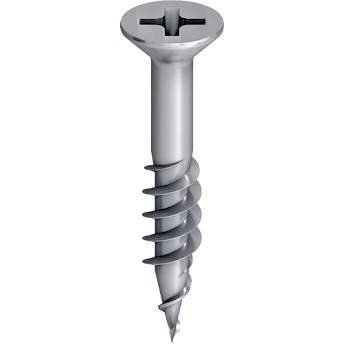
Self-drilling screws are the most commonly used fasteners in metal roofing. They come with a drill point that eliminates the need for pre-drilling, making installation faster and easier. These screws provide strong holding power and are ideal for metal-to-metal or metal-to-wood applications.
2. Self-Tapping Screws
These screws require a pre-drilled hole but offer excellent grip and stability. They are widely used in roofing applications where precision is required.
3. Nails
Nails are less commonly used in metal roofing due to their lower holding strength. However, they can be used in light-duty applications such as trims or flashing.
4. Rivets
Rivets are used for creating permanent joints in metal panels. They are ideal for areas where access is limited or where a strong, fixed connection is required.
Uses of Metal Roofing Fasteners
Different types of fasteners for metal roofing are used based on application needs:
- Securing metal panels to the roof structure
- Attaching flashing, trims, and ridge caps
- Fixing insulation layers and underlayment
- Connecting metal sheets in industrial and commercial roofing
Choosing the right fastener for each use ensures better performance and long-lasting results.
Fastener Materials and Their Applications
Selecting the right material is key to durability.
Galvanized Steel
Cost-effective and suitable for general applications, offering moderate corrosion resistance.
Stainless Steel
Highly durable and corrosion-resistant, ideal for coastal and industrial environments.
Aluminum
Lightweight and corrosion-resistant but best for light-duty applications.
Copper
Premium option with excellent durability, mainly used with copper roofing systems.
Choosing the Right Size and Length
The size and length of metal roofing fasteners directly impact the strength of the installation.
- Fasteners should penetrate at least 1 inch into the support structure
- The correct diameter ensures strong holding without damaging panels
- Proper sizing prevents loosening and leakage
Incorrect sizing can compromise the entire roofing system.
Importance of Coatings and Finishes
Modern metal roofing fasteners come with protective coatings that enhance performance:
- Zinc coating for rust protection
- Polymer coatings for added durability
- Weather-resistant finishes for harsh conditions
These coatings extend the life of fasteners and improve resistance to corrosion.
Environmental Considerations
Environmental conditions play a major role in selecting the right fasteners.
Coastal Areas
Use stainless steel fasteners to resist salt corrosion.
High Wind Zones
Choose high-strength fasteners to withstand wind uplift.
Industrial Areas
Opt for coated fasteners to handle chemical exposure.
Temperature Changes
Use flexible fasteners that can handle expansion and contraction.
Compatibility with Roofing Materials
Compatibility is crucial to avoid galvanic corrosion.
- Match fastener material with roofing panels
- Avoid mixing dissimilar metals like copper and aluminum
Proper compatibility increases the lifespan of both fasteners and roofing panels.
Aesthetic Considerations
Today’s metal roofing fasteners are available in color-coated finishes that match roofing panels. This enhances the overall appearance and gives a clean, professional look.
Installation Guide for Metal Roofing Fasteners
Proper installation is essential for performance and durability.
Best Practices:
- Install fasteners perpendicular to the surface
- Avoid over-tightening to prevent damage
- Ensure proper sealing to avoid leaks
- Use correct tools and torque settings
Even the best Fasteners for Metal Roofing EJOT will not perform effectively if installed incorrectly.
Benefits of High-Quality Metal Roofing Fasteners
Investing in premium fasteners offers:
- Long-term durability
- Reduced maintenance costs
- Better weather resistance
- Improved structural strength
- Enhanced safety
High-quality fasteners ensure your roofing system performs efficiently for years.
Expert Tips
- Always buy from trusted manufacturers
- Choose fasteners based on environment
- Prefer self-drilling screws for faster work
- Check compatibility before installation
- Follow industry standards
Conclusion
Choosing the right fasteners for metal roofing is essential for a strong, durable, and long-lasting roofing system. From selecting the correct type and material to ensuring proper installation, every step matters.
By investing in high-quality metal roofing fasteners from EJOT-Octaqon, you can ensure reliable performance and long-term protection. For expert advice and premium fastening solutions, call +91 124 4736304 today.
Frequently Asked Questions
Q1. What are the best fasteners for metal roofing? The best metal roofing fasteners are typically stainless steel or coated self-drilling screws, as they offer strong holding power, corrosion resistance, and long-lasting durability in different weather conditions.
Q2. Can I use nails instead of screws for metal roofing? Nails are not recommended for main roofing panels because they have lower holding strength. Screws are preferred fasteners for metal roofing as they provide better grip and prevent loosening over time.
Q3. How do I choose the right size of metal roofing fasteners? The correct size depends on the thickness of the roofing material. Fasteners should penetrate at least 1 inch into the support structure to ensure a secure and stable installation.
Q4. Why is corrosion resistance important in metal roofing fasteners?
Corrosion-resistant metal roofing fasteners help prevent rust, leaks, and structural damage, especially in coastal or high-moisture areas. This ensures longer roof life and reduced maintenance costs.


Comments
Post a Comment